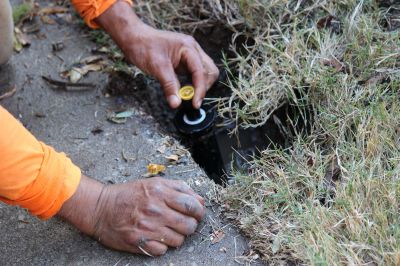
Irrigation Winterization in Reno, NV
Irrigation winterization services involve preparing an irrigation system for the colder months to prevent damage caused by freezing temperatures. This process typically includes draining or blowing out pipes, valves, and sprinkler heads to remove any remaining water that could freeze and cause cracking or other damage during winter. Projects may cover residential lawn irrigation systems, garden watering setups, and other outdoor irrigation components that require protection from winter conditions. Property owners often want to understand the specific steps involved, the importance of proper winterization, and how it helps avoid costly repairs in the spring.
Before requesting irrigation winterization services, homeowners should consider the type and complexity of their irrigation system, as well as any unique features or zones that may require special attention. It’s also helpful to know whether the system has automatic drainage or requires manual draining, and to ensure access to all components needing winterization. Clarifying these details can help ensure the system is thoroughly protected and ready for the winter months, reducing the risk of damage and maintaining the system’s longevity.
Many property owners in Reno, NV look into Irrigation Winterization for repairs, replacements, upgrades, and appearance-related improvements.
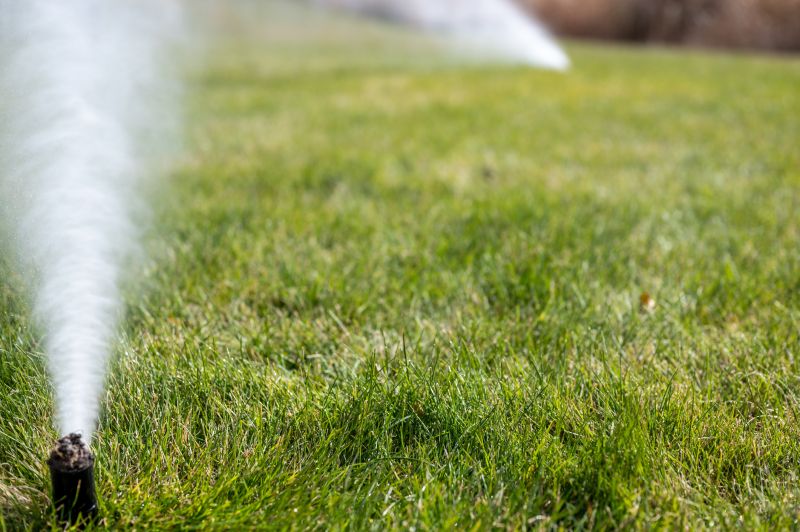
Preparing Sprinkler Systems For Winter
Proper winterization helps prevent pipe damage and system breakdowns during freezing temperatures.
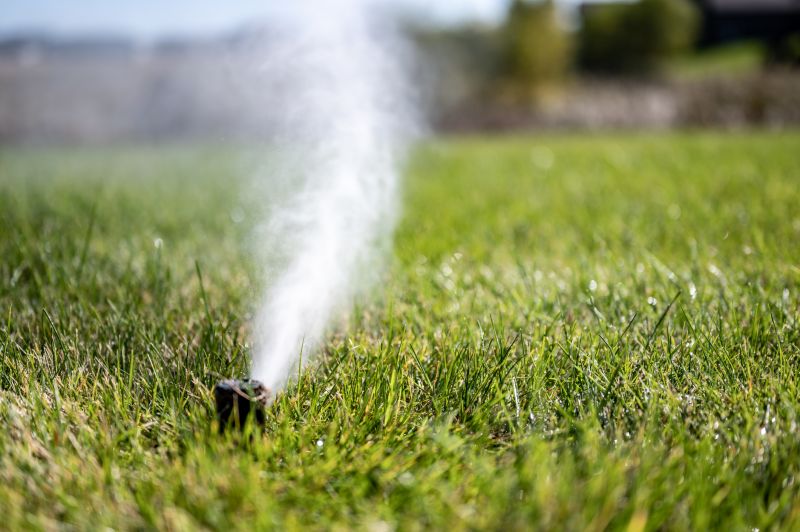
Protecting Your Landscape Investment
Winterizing irrigation systems ensures your landscape remains healthy and intact through the cold months.
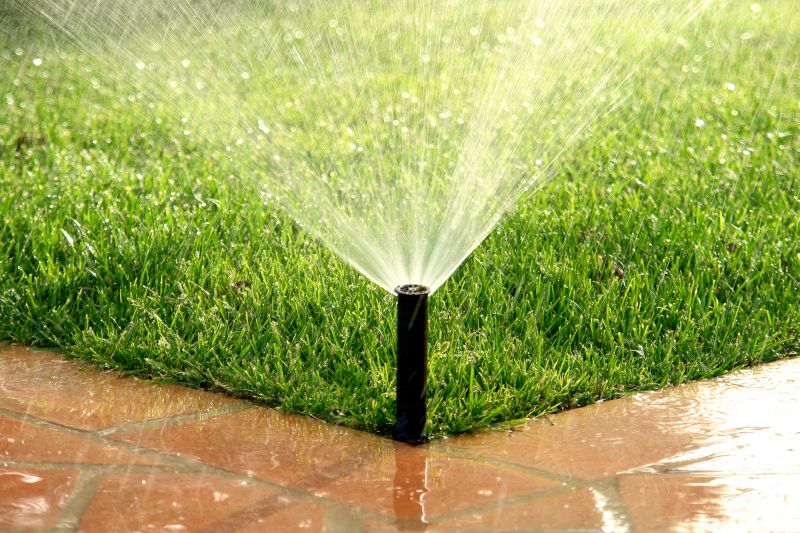
Essential Winter Maintenance Steps
Comprehensive winterization includes draining, blowing out lines, and inspecting components for damage.
Irrigation Winterization in Reno, NV
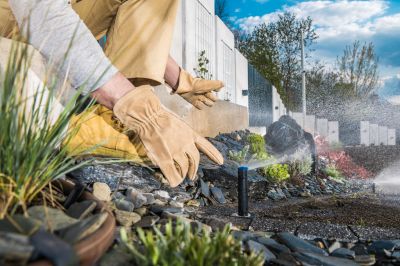
Irrigation winterization services involve preparing an irrigation system for the colder months to prevent damage caused by freezing temperatures. This process typically includes draining or blowing out pipes, valves, and sprinkler heads to remove any remaining water that could freeze and cause cracking or other damage during winter. Projects may cover residential lawn irrigation systems, garden watering setups, and other outdoor irrigation components that require protection from winter conditions. Property owners often want to understand the specific steps involved, the importance of proper winterization, and how it helps avoid costly repairs in the spring.
Before requesting irrigation winterization services, homeowners should consider the type and complexity of their irrigation system, as well as any unique features or zones that may require special attention. It’s also helpful to know whether the system has automatic drainage or requires manual draining, and to ensure access to all components needing winterization. Clarifying these details can help ensure the system is thoroughly protected and ready for the winter months, reducing the risk of damage and maintaining the system’s longevity.
Many property owners in Reno, NV look into Irrigation Winterization for repairs, replacements, upgrades, and appearance-related improvements.
Common Irrigation Winterization Jobs
Irrigation Winterization - Properly draining and shutting down sprinkler systems to prevent freeze damage.
Backflow Prevention - Protects your water supply by isolating irrigation lines during winter months.
System Inspection - Checks for leaks, damaged components, and proper drainage before winterization.
Pipe Draining - Removes residual water from pipes and valves to avoid cracking in freezing temperatures.
Valve Protection - Ensures valves are sealed and protected from winter-related pressure issues.
Seasonal Shutdown - Safely disconnects and secures sprinkler components for the cold season.
Irrigation Winterization Questions
Why is winterization important for irrigation systems? Winterization helps prevent damage caused by freezing temperatures, protecting pipes and sprinkler components during the cold months.
When should irrigation winterization be performed? It is typically done before the first hard freeze, usually in late fall, to ensure systems are properly protected.
What does irrigation winterization involve? The process includes draining or blowing out water from pipes and sprinklers to prevent ice expansion and potential damage.
Can winterization be done on any irrigation system? Most standard systems can be winterized, but the specific method may vary depending on the system type and complexity.
Request Irrigation Winterization in Reno, NV
Use the quote form on this page to share the basics of your project and request more information for the type of work you need.